
[The following tale is a common event and in no way a reflection on any particular customer. It is just something that happens often at a yarn shop.]
My story. A customer and their pattern walk into a yarn shop looking for the perfect project yarn. The customer’s question? “The pattern calls for a certain yarn, but I want to use a yarn I already have. Does it matter?”
The short answer?
Yes!
Here’s the long answer (as in, how much time do you have?).
I almost always advise using the specific weight and fiber type called for in a pattern.
Almost.
Living in Florida, there are times when we try to adjust a pattern’s requirements to suit our warmer climate. If we don’t, we may have few opportunities to wear the items we knit or crochet and that would be a bummer!
Having admitted to that, I must warn you that changing either the yarn weight or fiber type may have an impact on the success of your project.
Here is why.
Gauge
The most obvious (and the easiest to resolve) is the weight of the yarn because that can affect gauge and, ultimately, the size of your project. Gauge refers to the number of stitches per inch and determines the overall dimensions of your finished project. The size of your finished project might not matter to you if it is a scarf or shawl.
But a sweater or top? You better believe you’re going to want that garment to be the correct size after putting all that work into it! And even if it is a scarf or shawl, you will want to make sure you have enough yarn to complete your project.
My advice… keep life simple and just get gauge.
Not going to listen to that advice? You won’t be the first! No worries, changing the thickness of your yarn for the project can be done. Switching yarn thickness requires you knit or crochet a swatch and then do some math. Need more information? Hang tight because I am working on a post about getting gauge that goes into it with a lot more depth. Be sure to check back for that!
Fiber
Yes. The type of fiber in your yarn matters to the outcome of your project. The designer of your project selected a particular yarn fiber for specific reasons. They don’t always explain those reasons in their pattern instructions, but we do have to trust the yarn was chosen to provide you with success in your knitted or crocheted project. It is important to understand that not all fibers are the same. Some can be used interchangeably while others require a bit more thinking.
Here is some information on the natural fibers that many designers will choose. (I do not have enough experience with synthetic fibers, such as acrylic, to offer insight. )
Wool Fiber: First off, let’s talk about wool. Wool refers to fibers that have been obtained from sheep, alpacas, llamas, goats, rabbits and even camels. Some wool fibers are gotten through shearing, others from combing the animal and some even from fibers that have been naturally released from the animal via shedding. I love wool! I love knitting and crocheting with it and I love wearing it!
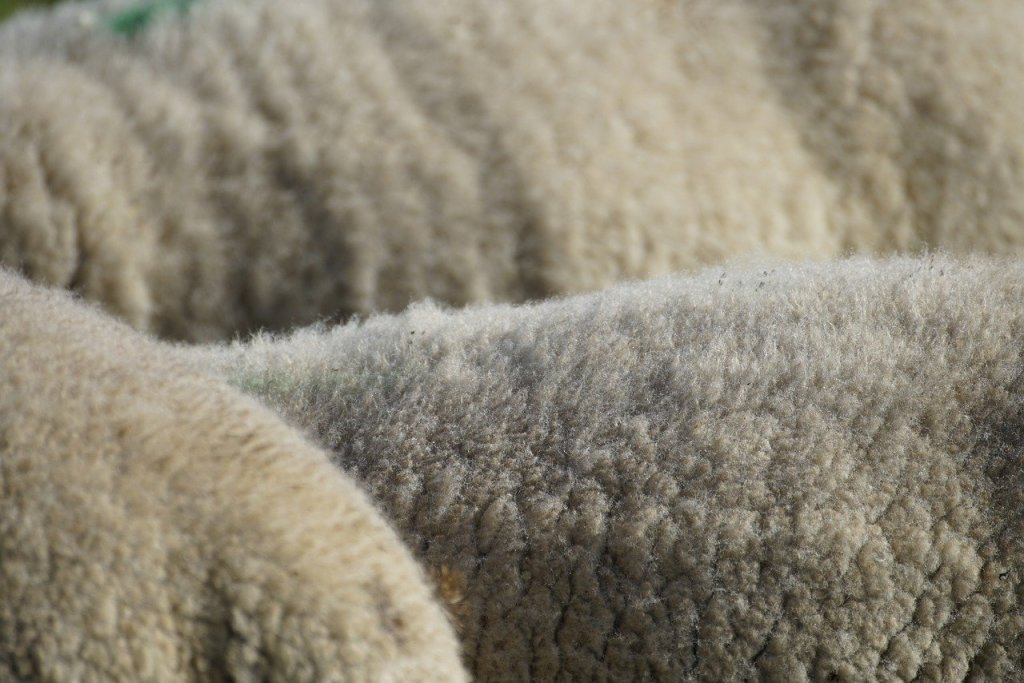
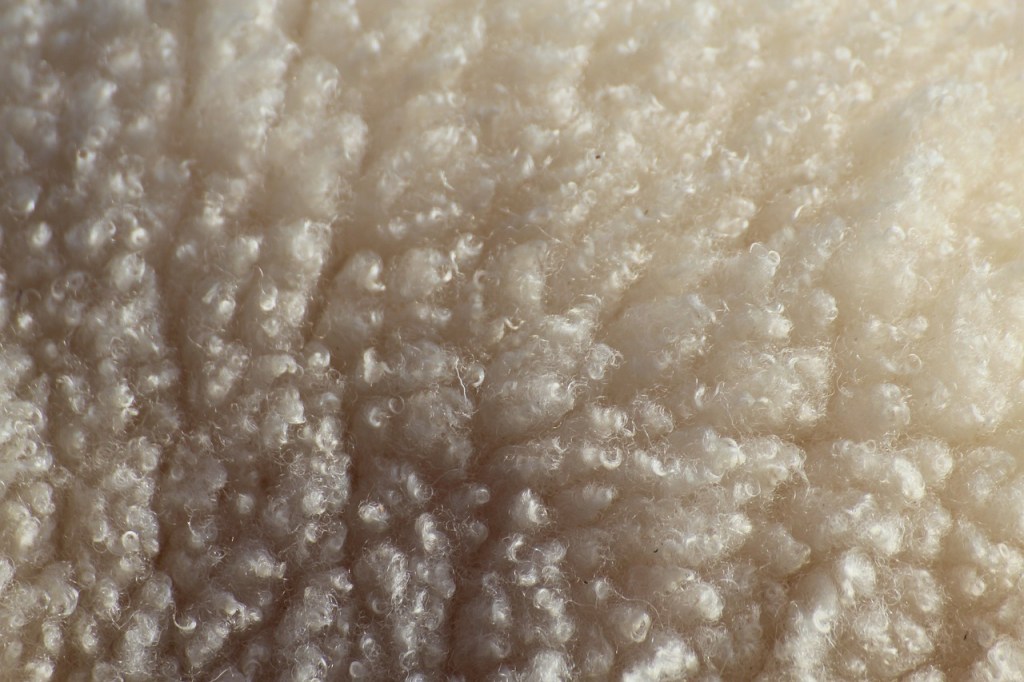
The characteristics of each of the wool fibers differ in its warmth, elasticity, and strength. But they do have a lot in common. Wools tend to provide warmth, softness and breathability in garments. They are also flame retardant, water resistant, and have moisture wicking properties. And, best of all for stitchers, wool takes on dye extremely well, so we not only have their beautiful natural hues but the enticing colors spanning the rainbow and beyond!

The property that can most impact your project is the wool’s elasticity. Wool fibers have natural twist and bend and, very importantly, the fibers have memory. They are very similar to human hair. For instance, if someone has very curly hair it can be ironed straight but once it is wettened it will return to its natural state of curliness.
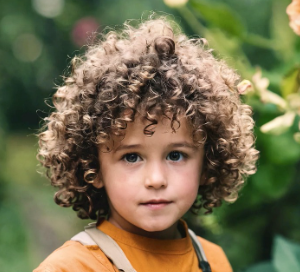
This means that garments made from wool typically will not become misshapen over time with use. Once the garment is washed or soaked, it will return to its original form. Of course, also like human hair, not all wool fibers have the same level of twist, and some relax more easily than others. This is one of the reasons why designers will ask you to wash and block your swatch.
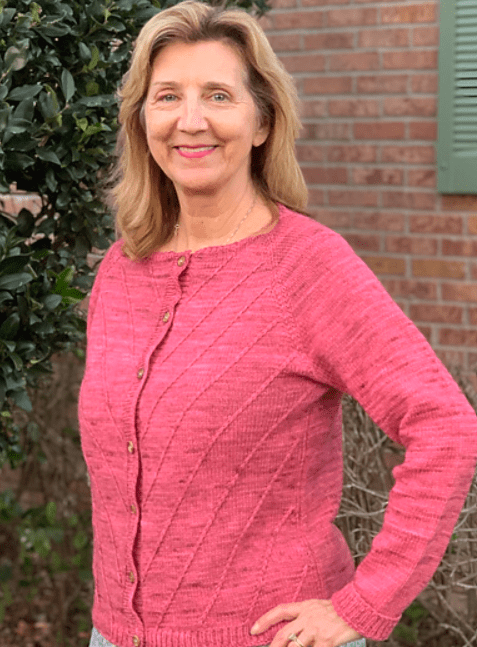
You will want to figure out just how much the wool you used will relax, which is something I discovered when the sleeves on my Winterfell cardigan blocked out way too long!
Cotton/Plant Fiber: Cotton is produced by removing lint fibers from the plant’s boll (the rounded fruit of a cotton plant). The lint can come in different thicknesses and lengths which results in different qualities. The longer, stronger the fiber the better your eventual fabric will be. Linen and hemp yarns are created from the pliable inner strands of the plant stalks. They are stronger and less elastic than cotton. I love cotton! I love knitting and crocheting with it and I love wearing it!
Other plants, such as bamboo and other trees, can be used to create fiber by breaking them down to their basic cellulose level and then spin them into long fibers. These yarns are considered semi-synthetic because they start from plants but must go through a chemical process to break them down and then be reconstituted. You might recognize them under their trademark names Rayon, Lyocell, and Modal. Each has a slightly different production process and can be combined with other fiber types.
Silk: Silk is another protein fiber and its characteristics can vary depending on the origin of the silk threads and its production process. Like wool it can help regulate temperature in different climates/seasons. But also like wool, it loses its strength when wet. Like cotton, it does not have inherent elasticity and can remained stretched out. It can be a higher price point then both wool and cotton but has a beautiful sheen and is very soft and luxurious. I love silk! I love knitting and crocheting with it and I love wearing it!

Pros and Cons of Fiber Types
There are pros and cons for each of the above fiber types, but it is important to know that the designer who wrote your pattern has tested their project’s success in a particular fiber so you can be confident you will get similar results if you stay as close as possible to their suggestions.
Things to consider when switching up your project fiber.
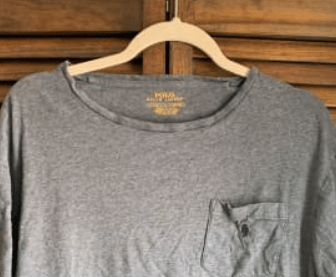
Fit: If the pattern calls for wool and you decide to use cotton you will not get a similar fit as you would in wool. You also run the risk of your project stretching out or “growing” as some people refer to the lengthening or sagging that happens to cotton garments. Think about your kids’ tee shirt necklines that never went back into shape after constantly being tugged on!
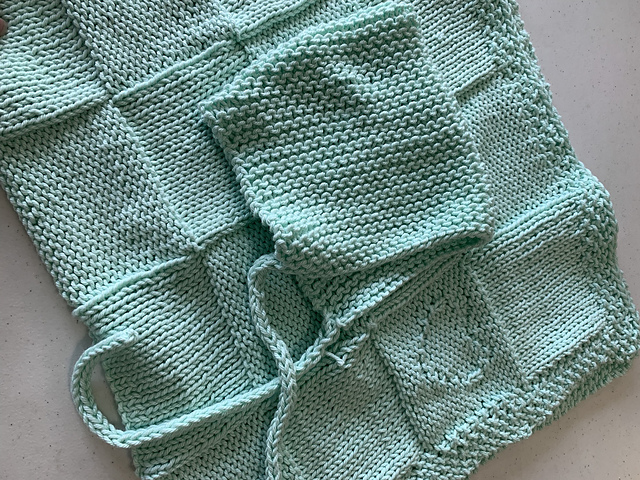
Strength/Durability: If the pattern calls for cotton and you use wool you could run into problems with the strength of your project. Think of dish cloths, towels, baby bibs or blankets that are going to get a lot of wash-and-wear. The strength of cotton fibers is maintained even when wet.
Warmth: You also might want to consider for which season the project is intended. Cotton can be cooler in warmer months, so a tank top out of cotton is going to be a much pleasanter experience than one knitted or crocheted out of wool. But it won’t provide much warmth as a cardigan in the middle of winter.
You can look for yarns that offer a balance between the two. There are a lot of mills that spin wool and cotton together. One of my current favorites is Spree, a 50/50 wool and cotton blend from Berroco. We also carry Cotton Fleece, an 80/20 cotton and wool blend from Brown Sheep. I can get the coolness of the cotton which is lovely to have when you live in Florida. But I can also count on a softer and better shaped garment because of the wool content.
Remember, if the pattern designer calls for a specific brand of yarn that is not readily available to you it is possible to find suitable replacements. Check out the post on how to easily go about doing just that: Tips for Finding the Perfect Yarn Substitute
.
I hope this helps answer some of the questions you might have about fiber qualities and their usages. I look forward to hearing about your project success or feel free to offer tips and tricks you might have up your sleeve!
Yours in stitches,
Helen @ She Sells Yarn and More


 She Sells Yarn and More
Leave a comment